


Dementia Aids

Dementia Aids 

Our range of dementia aids offers practical support with everyday routines, including eating, drinking, personal care and comfort. If you're caring for a loved one, our products can help make daily tasks easier and support their independence at home. Everyone experiences dementia differently, so choosing the right equipment depends on their individual needs and the difficulties they're facing.

Choosing the Right Dementia Aids

When caring for someone with dementia, it helps to focus on the everyday tasks they're finding difficult. Consider which activities they can still manage comfortably, where they need assistance and which familiar routines you'd like to maintain.

Here are some practical things to consider when choosing equipment for your loved one:

Keeping Things Simple and Familiar

Look for products that are easy to recognise and use, without introducing unnecessary changes to routines they already know.

Making Eating and Drinking Easier

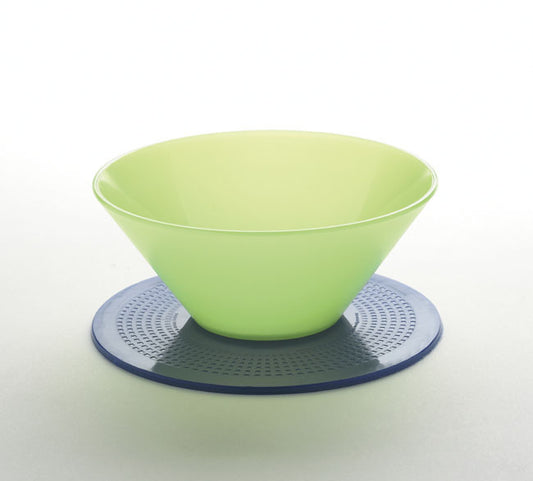
Cups, adapted cutlery, plates and non-slip mats can help with grip, coordination and mealtimes. Contrasting colours may also make items easier to identify.

Supporting Movement Around the Home

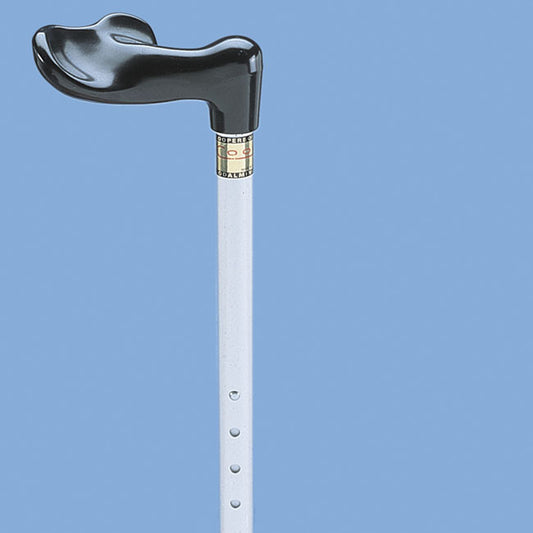
Consider their mobility, balance and the layout of their home when exploring walking aids and other daily living equipment.

Making Toileting More Manageable

Toilet aids and commode chairs may help when sitting down, standing up or reaching the bathroom becomes difficult.

Protecting Furniture and Bedding

Washable chair pads, bed pads and mattress protectors from our waterproof bedding range can make managing leaks and accidents easier.

Adapting to Changing Needs

Consider your loved one's eyesight, grip, dexterity and the support available from family or carers. Review equipment regularly as their needs change.

For more complex concerns involving mobility, falls, medication, wandering or personal care, seek advice from an Occupational Therapist, pharmacist or another appropriate healthcare professional before choosing equipment.

Dementia Care Products for Everyday Routines

Different dementia care products serve different purposes. The options below show how everyday equipment may be useful for particular activities and care needs.

Eating and Drinking Aids

The colours, shape and design of everyday tableware can affect how easily your loved one recognises and uses it. Our drinking aids include Coloured Sure Grip Cups, Two Handled Caring Mugs and The Hydrant for easier access to drinks. We also offer kitchen and dining aids, including yellow Dycem® non-slip mats, Gripware™ Scoop Dishes and Inner Lip Plates to help keep items steady and make mealtimes more manageable.

Medication and Memory Support

Keeping track of medication can become more difficult for someone living with dementia. Our 7-day pill box offers a simple way to organise tablets by day, making it easier for family members and carers to keep track of medication routines. However, a pill organiser won't be suitable for everyone. If your loved one is struggling to take medication correctly or safely, speak to a pharmacist or healthcare professional for advice.

Toileting and Continence Support

Using the bathroom can become more difficult when your loved one struggles to reach the toilet, sit down or stand up, or manage continence. Our toileting aids include practical options to support everyday bathroom routines, while waterproof bedding can help protect mattresses and furniture from leaks or accidents, making daily care easier for family members and carers.

Bedroom, Mobility and Home Support

Moving around the home can become more challenging when your loved one needs help with walking, getting in and out of bed or moving between rooms. Our bedroom aids, grab rails and walking aids offer practical options for different mobility needs. It's important to choose equipment that suits their abilities and home environment, ideally with guidance from an Occupational Therapist where needed.

Supporting Eating, Drinking and Independence at Home 

Eating and drinking can become more difficult when someone living with dementia has trouble recognising items or managing cups and utensils. Colour contrast can make tableware easier to identify, while adapted products such as Coloured Sure Grip Cups and The Hydrant offer practical ways to make drinking more manageable. Choosing familiar products that suit your loved one's grip, coordination and usual routine is important.

At mealtimes, Dycem yellow non-slip mats can help keep plates and other items in place, reducing unwanted movement. The Gripware Round Scoop Dish and Inner Lip Plate can make it easier to gather food onto cutlery. These simple adaptations may help your loved one continue eating more independently, depending on their individual abilities and needs.

Making Everyday Routines Simpler and Safer 

Supporting someone with dementia doesn't always require specialist technology. A familiar cup placed within easy reach or a non-slip mat used at their usual dining table may be more useful than introducing unfamiliar equipment. Think about how each product will be used in their existing routine. 

Introduce changes gradually where possible and pay attention to how your loved one responds. An item that was once helpful may become difficult to recognise or use as their needs change. If you have concerns about falls, wandering or other safety risks, seek advice from an Occupational Therapist or another appropriate healthcare professional. 

Complete Your Dementia Care Setup

When supporting someone with dementia at home, it's worth considering their wider daily routine and where they may need practical assistance. Explore our related collections to find products that address specific difficulties, without introducing equipment your loved one may not need.

  • Bedroom aids: Explore equipment to support getting in and out of bed and everyday movement around the bedroom.
  • Toileting and personal hygiene aids: Find practical options for bathroom access, toileting and personal care.
  • Drinking aids: Discover adapted cups and hydration products that may make drinking easier.
  • Kitchen and dining aids: Browse adapted tableware, non-slip mats and utensils to support mealtimes.
  • Grab rails: Consider additional support around the home where suitable for your loved one's mobility needs.
  • Waterproof bedding: Protect mattresses and bedding from leaks or accidents to make everyday care easier.
  • Walking aids: Explore mobility equipment where additional walking support has been identified as appropriate.

Why Buy Dementia Aids from OT Stores?

With over 30 years of experience in occupational therapy, healthcare, mobility and daily living equipment, we understand how important it is to find practical support for someone you love. Our team knows how these products are used in real homes and can help you explore options that suit your loved one's abilities, routines and everyday needs.

If you're buying equipment for a parent or relative, you may not be sure where to start. We're here to answer your questions, explain the differences between products and help you feel more confident in your choice. You can learn more about OT Stores or contact our team for friendly, practical advice before ordering.

Dementia Aids FAQs

What aids can help someone with dementia at home?

Dementia aids can support everyday activities such as eating, drinking, personal care and moving around the home. Adapted cups, non-slip mats, toileting equipment and bedroom aids may be useful, depending on what your loved one finds difficult. Familiar products that are easy to recognise and use are often a good starting point.

How do I choose the right dementia aid?

Start by considering which everyday tasks your loved one needs help with. Think about their mobility, eyesight, grip and usual routines, along with how easy the product will be for them to understand and use. Their needs may change over time, so it's important to review whether the equipment remains suitable.

Can dementia aids help with eating and drinking?

Yes, adapted cups, plates and non-slip mats may make mealtimes easier for someone living with dementia. Coloured cups can be easier to identify, while two-handled mugs may provide a more manageable grip. Products such as scoop dishes and non-slip mats can also help with handling food and keeping tableware steady.

What toileting and personal care aids can help?

Raised toilet seats, toilet frames and commodes may be useful if your loved one struggles to sit down, stand up or reach the bathroom. Bed pads, chair pads and mattress protectors can also help manage leaks or accidents. The most suitable products depend on their mobility, understanding and individual care needs.

Can a pill box help with medication routines?

A 7 day pill box can help family members or carers organise medication by day. However, a pill organiser doesn't guarantee that medication will be taken correctly and may not be suitable for unsupervised use. If your loved one is struggling with medication routines, speak to a pharmacist or healthcare professional.

When should I ask an occupational therapist or healthcare professional for advice?

Seek professional advice if your loved one has complex mobility needs, difficulty transferring, frequent falls or concerns around wandering and personal safety. An Occupational Therapist can assess everyday activities and recommend appropriate equipment or changes to the home. Medication concerns should be discussed with a pharmacist or another suitable healthcare professional.

Can I get help choosing dementia care products?

Absolutely. The OT Stores team can help you compare products based on your loved one's daily routine, the difficulties they're experiencing and their home environment. If you're unsure where to start, you can contact our team for practical product guidance before ordering.

Need Help Choosing the Right Dementia Aids? 

Choosing equipment for a loved one with dementia can feel difficult, particularly when their needs are changing in several ways. Our team can help you explore the options and find practical products that fit into their daily routine, making it easier to decide what support may be useful at home.

When contacting us, it helps to have details of the tasks your loved one is struggling with, their home environment and any relevant measurements or practical requirements. We can use this information to guide you towards appropriate options. 

Get in Touch

Address

Address is shown for correspondence. OTS Ltd, Unit 16, Maple Court, Bishops Frome Technology Park, Bishops Frome, WR6 5AY

Contact Details

0845 260 7061

0845 260 7062

info@otstores.co.uk

Company Details

OTS Ltd VAT number is 687 321 904 | OTS Ltd is a company registered in England and Wales with company number 3273620